
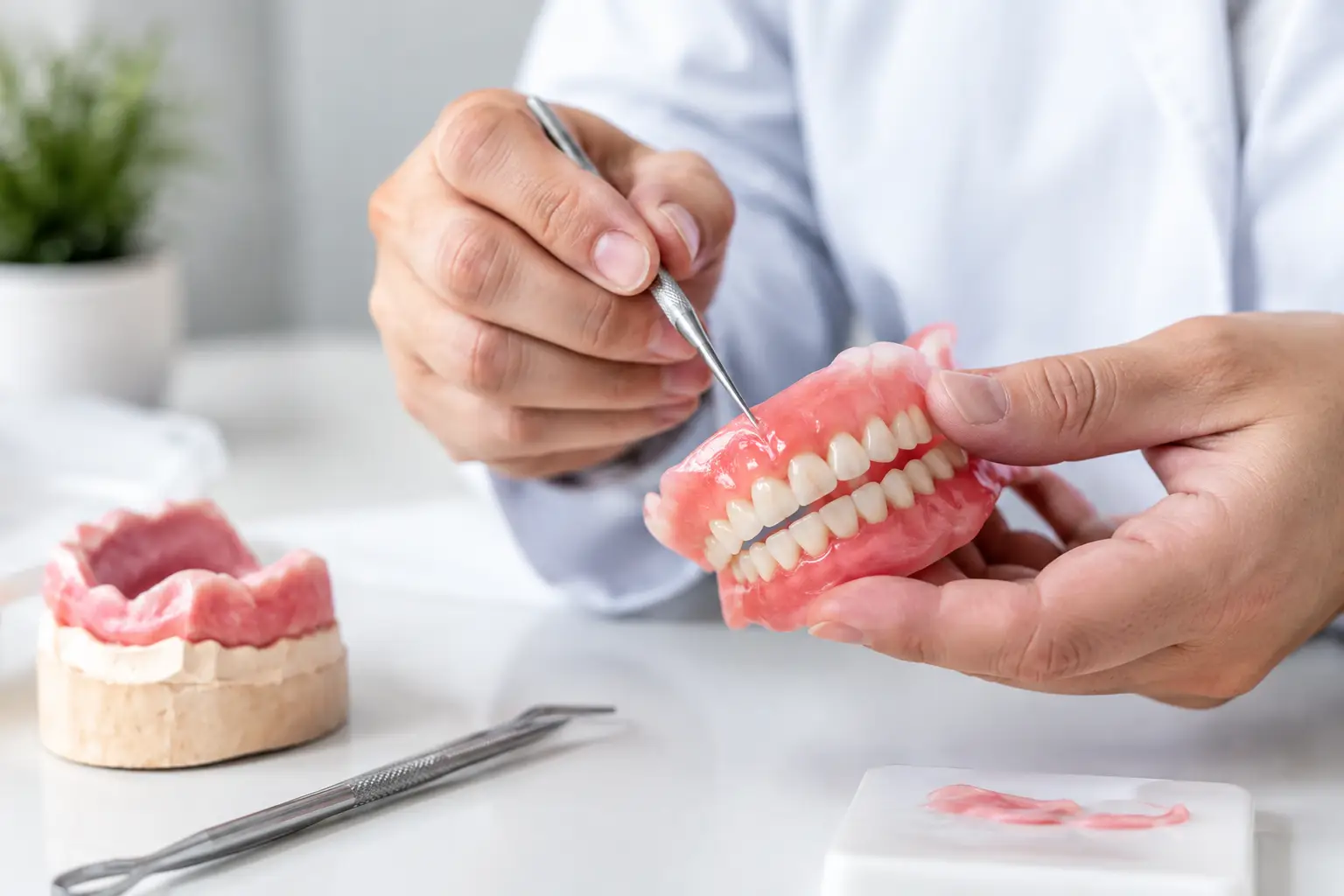
When to Use Express Denture Repair Services
Updated: Oct 2
A denture can break at the worst possible time: before a family event, during travel, or when it is the only appliance available for eating and speaking comfortably. Express denture repair services are intended to move a repair request forward quickly when a removable full or partial denture is cracked, broken, loose, or no longer functioning as it should.
Speed matters, but the details of the damage matter too. A clean break in an acrylic base may be a straightforward repair. A denture that suddenly feels loose, causes pain, or has bent metal components may need a closer assessment before repair work can be arranged. Providing clear information at the start helps avoid delays and supports the right next step.
When Express Denture Repair Services May Be Needed
A broken denture is the most obvious reason to request prompt help, but it is not the only one. Small problems can become larger ones when the appliance continues to be worn under pressure.
Common repair requests include a cracked denture base, a denture split into two or more pieces, a tooth that has come loose, or a partial denture with a damaged clasp. Some people also request service after a denture has been dropped, stepped on, exposed to heat, or damaged while being cleaned.
A denture that remains in one piece can still need attention. If it rocks while chewing, slips during speech, rubs the gums, or no longer fits as it did before, continuing to wear it may create sore spots or further damage. A change in fit can result from wear, changes in the mouth, a bent component, or a problem with the appliance itself. The right solution depends on the cause.
Signs the Request Is Time-Sensitive
A repair request may need prompt coordination when the denture is the person's primary appliance for eating or speaking, when there is a complete break, or when a loose tooth or sharp edge makes the denture unsafe to wear. Caregivers should also act quickly when a relative relies on the denture for regular meals and daily communication.
Express service does not mean every repair can be completed in the same way or on the same schedule. The appliance condition, materials, missing pieces, and the repair needed all affect timing. Clear intake information is the best way to determine what can reasonably be done.
What to Do Immediately After a Denture Breaks
Keep every piece of the denture, including loose teeth, clasps, and small acrylic fragments. Place the pieces in a clean container or protective case. Do not wrap them loosely in a napkin, where they can easily be thrown away.
Avoid trying to force broken sections together in the mouth. A cracked appliance can pinch tissue, shift out of alignment, or break further under chewing pressure. If there are sharp edges or the denture no longer stays stable, stop wearing it until the situation has been assessed.
Do not use household glue, super glue, epoxy, tape, or a do-it-yourself repair kit as a long-term fix. These materials can be unsafe for oral use, may interfere with a proper repair, and can make it harder to align the broken pieces accurately. They can also change how the denture fits against the gums and remaining teeth.
If the denture has metal parts, do not try to bend a clasp back into place with pliers or other tools. Metal fatigue and misalignment can create a more complicated repair issue. Keep the appliance intact and describe what happened when submitting the request.
Information That Helps a Repair Be Assessed Faster
A direct repair request works best when it gives the laboratory a usable picture of the situation. Start with reliable contact details, including a phone number and email address, so questions can be handled without delay. Include the state and city where the denture wearer is located, since service coordination may depend on the location and delivery options.
Describe the appliance as clearly as possible. State whether it is a full upper denture, full lower denture, or partial denture. Explain whether the issue is a crack, a complete break, a missing tooth, a loose tooth, a damaged clasp, or a fit concern. If the damage followed a drop or other incident, include that detail.
Photos can be useful during initial review. Take pictures in good light from the front, the biting surface, and the broken area. For a partial denture, photograph the metal framework and clasps as well as the acrylic portion. A photo cannot replace a hands-on assessment, but it can help identify visible damage and clarify the request.
If a piece is missing, say so. If there is discomfort, identify where it occurs and whether the denture is still being worn. Mention whether the appliance has been repaired before, relined, or adjusted recently if that information is available. These details can affect the repair approach.
Repair Needs and Fit Problems Are Not Always the Same
A denture can be structurally sound but fit poorly. In that case, adding material to a crack or replacing a tooth may not resolve the underlying problem. Dentures can become loose as gums and bone change over time, and a worn appliance can lose its original stability.
A crack may also be a sign that the denture has been flexing because it no longer fits correctly. Repairing the crack can restore the appliance's structure, but a fit evaluation may still be needed. The goal is not simply to make the denture look whole again. It needs to function without placing uneven pressure on the mouth.
Partial dentures require particular attention because they interact with remaining natural teeth. A loose clasp, bent framework, or damaged tooth may affect how the partial seats. Trying to adjust it at home can place pressure on supporting teeth or leave the appliance unstable.
What the Repair Process Usually Requires
The first stage is intake. The repair provider reviews the description, contact information, and any files or photos supplied. If the request is appropriate for repair, the next step is arranged based on the type of damage and the condition of the appliance.
For a clean acrylic break where all pieces are available, the damaged sections may be realigned and repaired. A tooth that has detached may be reset when the surrounding denture material can support it. Cracked areas may require reinforcement or rebuilding, depending on the extent of the damage.
Not every denture is a candidate for a simple repair. An appliance with extensive fractures, severe wear, a warped base, multiple missing teeth, or ongoing fit problems may need a different solution. A repair can sometimes restore short-term use, while a replacement or professional adjustment may be the better long-term option. The correct path depends on the denture, not just the urgency of the request.
Planning Ahead After the Repair
Once the denture is restored, handle it over a folded towel or a sink filled with water. This reduces the chance of damage if it slips from your hands. Use a denture case whenever it is not being worn, especially during travel or overnight storage.
Keep dentures away from hot water, direct heat, and situations where they can be crushed or stepped on. Clean them with products intended for removable dentures and a soft brush. Abrasive cleaners can scratch the surface, allowing stains and buildup to collect more easily.
Pay attention to changes in fit. A denture that begins to move, click, rub, or require adhesive more often should not be ignored until it breaks. Early service can sometimes prevent a more disruptive failure.
When submitting a repair request, provide the clearest description and photos you can, keep all pieces together, and avoid temporary household fixes. That gives the repair team the information needed to respond with a practical next step and helps get the denture wearer back to a more comfortable daily routine.
Broken denture? Bring it to our denture repair lab in Stoneham, MA (walk-ins welcome) or call (781) 526-8688. Many repairs are finished the same day.
Related reading: How Long Is Denture Repair Turnaround Time?
Where we help: patients walk in or mail their dentures to us from Boston, Everett, Lowell, Framingham, Worcester, Plymouth, the North Shore, Middlesex & MetroWest, South of Boston, Cape Cod, southern New Hampshire and Providence, RI.
Comments