
Denture Repair Near Me: Steps to Take Today
Updated: Oct 2
A broken denture can interrupt meals, speech, and daily routines without warning. When you search for denture repair near me, the immediate goal is not just to find a nearby provider. It is to get clear direction, protect the appliance from further damage, and provide enough information for a professional repair assessment.
A crack, missing tooth, loose component, or split base can look like a simple problem, but the correct repair depends on the denture material, the location of the damage, how the appliance fits, and whether the break points to a larger issue. A direct repair request helps move the process forward without unnecessary steps.
What to Do When a Denture Breaks
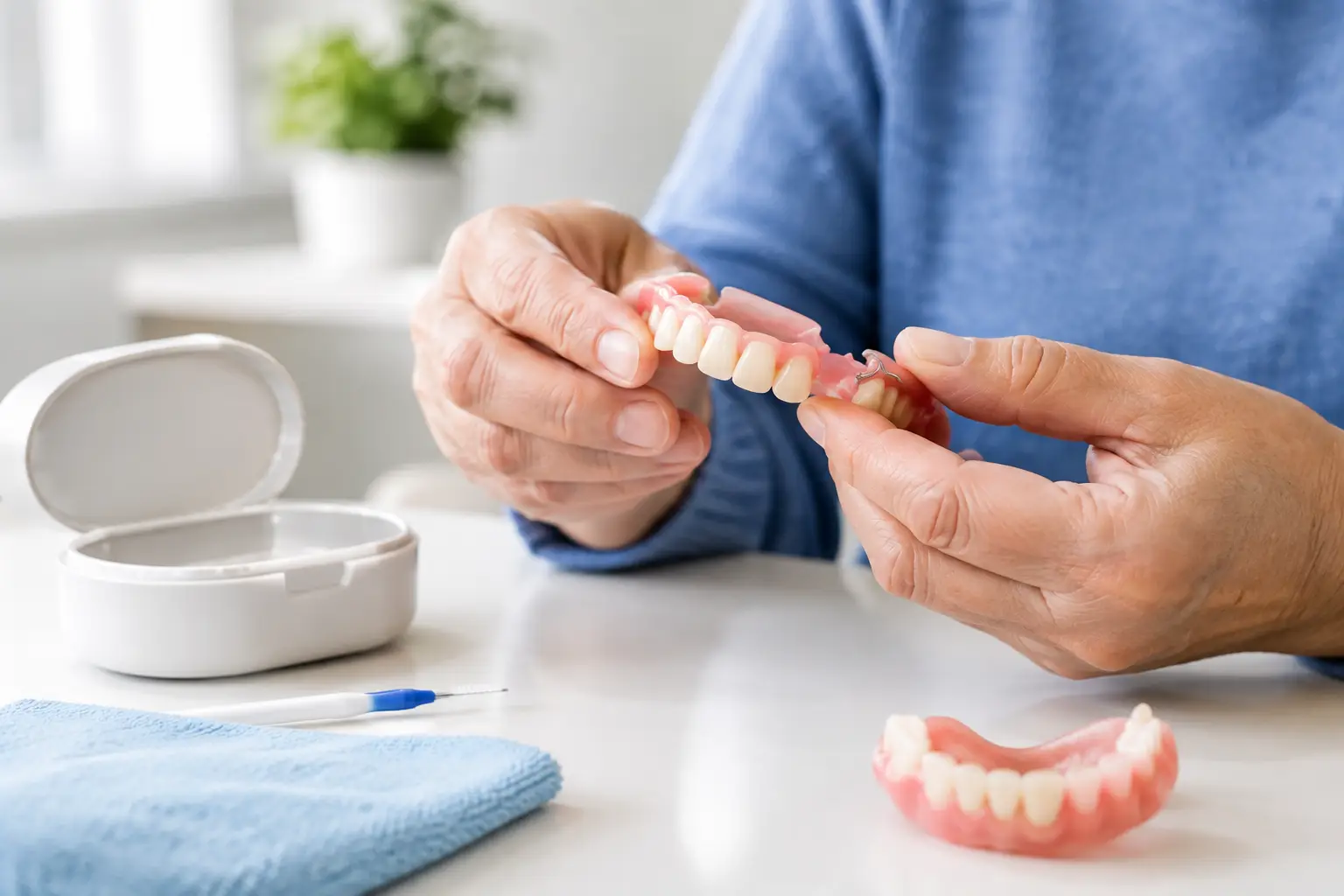
First, remove the denture if it is uncomfortable, unstable, sharp, or visibly cracked. Continuing to wear a damaged appliance can irritate oral tissue, change how the denture sits, or cause a small crack to become a complete break. Keep every piece you can find, including any tooth or clasp that has come loose.
Rinse the denture gently with cool or lukewarm water to remove food debris. Do not use hot water. Heat can warp denture materials and affect the fit. Place the denture and any loose pieces in a clean, protected container where they will not be stepped on, thrown away, or damaged further.
Avoid household glue, hardware adhesive, and store-bought repair kits unless a qualified dental professional has specifically instructed you to use one. These materials may contain ingredients not intended for oral use. They can also create buildup along the fracture line, making a later professional repair more difficult. A repair that looks acceptable at home may still change the denture's fit or place pressure in the wrong area.
If the denture is not broken but suddenly feels loose, painful, or uneven, do not assume it only needs adhesive. Changes in fit can result from wear, a bent clasp, a damaged base, or changes in the mouth. Describe the issue accurately when requesting service.
Finding Denture Repair Near Me: What to Look For
A local search is a practical starting point, particularly when the denture is needed for everyday eating or speaking. Still, distance is only one part of the decision. Look for a provider whose work is specifically centered on removable denture repair and who can explain the intake process clearly.
A repair laboratory may need basic information before determining the appropriate next step. That is normal. The type of denture matters: full upper denture, full lower denture, partial denture, flexible partial, or an appliance with metal components. The nature of the problem matters as well. A denture that broke in half is different from one with a single loose tooth or a partial denture with a damaged clasp.
Clear communication is often more useful than a vague request for a quick fix. When you contact a repair provider, explain what happened, when the problem started, whether the denture can still be worn, and whether it has been repaired before. If the denture caused soreness before it broke, include that detail. It may affect whether a repair alone is likely to solve the problem.
For caregivers, this information is especially useful when arranging service for a parent, spouse, or relative. A short description of the issue, along with the person's contact information and availability, can prevent delays in coordinating the next step.
Details That Help a Repair Assessment
A repair request is easier to evaluate when it includes practical details. Provide your name, location, phone number, and the best way to reach you. Then describe the denture and the damage in plain language. There is no need to use technical dental terms.
Photos can be helpful when they are available. Take pictures in good light from more than one angle, including a close image of the crack, loose tooth, or broken area. If there are separate pieces, photograph them together. Images do not replace an in-person examination of the appliance, but they can help a laboratory understand the problem before arranging service.
Useful information includes whether the denture is full or partial, whether it is upper or lower, whether a metal clasp is involved, and whether the appliance still fits. Mention if you have a dental prescription, prior repair paperwork, or other records related to the denture. Uploading relevant files with the initial request can support a more efficient review.
Common Denture Problems and Their Repair Needs
Not every damaged denture requires the same work. A clean break through an acrylic base may be repairable when the pieces are available and fit together properly. A missing denture tooth can sometimes be replaced, depending on the surrounding material and condition of the appliance.
Partial dentures require additional attention because they may include acrylic, replacement teeth, and metal clasps. A clasp that is bent, loose, or broken can affect retention and may need a different approach than a crack in the acrylic portion. Flexible partial dentures also use materials that are not repaired in the same manner as standard acrylic dentures.
Repeated fractures deserve closer consideration. A denture can break repeatedly when it no longer fits well, when the bite is uneven, or when the base has become thin from wear. In those situations, repairing the visible crack may restore the denture temporarily, but it may not address the reason it failed. The appropriate next step depends on the condition of the appliance and the fit in the mouth.
A denture repair provider can assess whether the appliance appears suitable for repair or whether further dental evaluation may be needed. This distinction matters. A professional repair should restore function as appropriately as possible, not simply join two pieces together.
When a Repair Request May Need More Than a Repair
Some situations call for prompt dental attention in addition to denture service. Contact a dental professional if there is significant mouth pain, swelling, bleeding, sores that do not improve, signs of infection, or an injury to the mouth or jaw. A laboratory repair addresses the appliance itself; symptoms involving oral health may require a dentist's examination.
You may also need a dental evaluation if the denture has become loose over time, falls out regularly, causes persistent sore spots, or no longer allows you to chew comfortably. Dentures rely on the shape and condition of the mouth for support. A repaired denture cannot correct every fit-related problem.
This does not mean a repair request is unnecessary. It means the best path may involve both appliance repair and clinical dental care. Giving complete information at the start helps identify when that may be the case.
How to Submit a Clear Repair Request
Before submitting your request, set the denture and all detached parts aside in a safe location. Gather the information you will need: your contact details, a short explanation of the damage, and photos or files if available. Keep the description direct. For example: “Upper full denture cracked across the center while eating. Both pieces are available. It was fitting normally before the break.”
If you do not know the denture type or material, say so. A photo may help clarify it. Do not delay a request simply because you do not have every detail. The most useful first step is to describe what you can see and provide a reliable way to be contacted.
Denture Repair Laboratory uses a direct inquiry process for customers who need to describe a repair issue and submit supporting files. This approach allows the repair request to be reviewed based on the actual appliance problem rather than a generic estimate of what may be needed.
Protecting Your Denture After It Is Repaired
Once repaired, careful handling can help reduce avoidable damage. Clean dentures over a folded towel or a sink partially filled with water so they are less likely to break if dropped. Keep them away from hot water, do not leave them where pets can reach them, and use only cleaning products intended for dentures.
If the denture begins to feel different after a repair, address the change early instead of forcing it into place. A small shift in fit, a new sore spot, or another hairline crack may be easier to assess before it becomes a larger interruption. A clear repair request, accurate photos when available, and careful handling give you the most practical path back to a functional denture.
Broken denture? Bring it to our denture repair lab in Stoneham, MA (walk-ins welcome) or call (781) 526-8688. Many repairs are finished the same day.
Related reading: When to Use Express Denture Repair Services
Where we help: patients walk in or mail their dentures to us from Boston, Everett, Lowell, Framingham, Worcester, Plymouth, the North Shore, Middlesex & MetroWest, South of Boston, Cape Cod, southern New Hampshire and Providence, RI.
Comments