
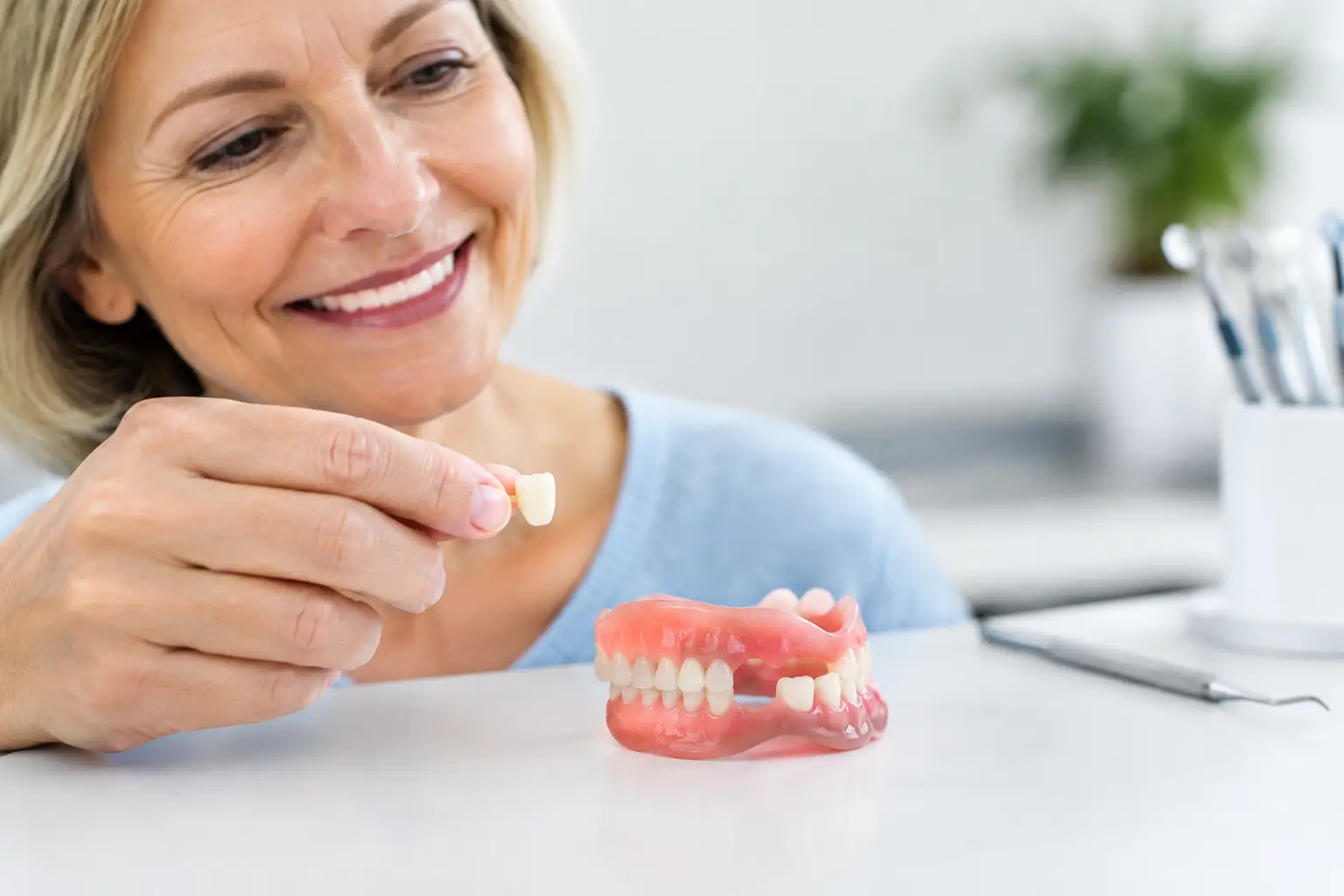
How to Replace a Missing Denture Tooth Safely
Updated: Oct 2
A missing denture tooth can change how your denture feels immediately. It may catch on your tongue, affect speech, make chewing uneven, or leave you reluctant to smile. If you need to replace a missing denture tooth, keep the denture and any loose tooth or fragments together, avoid household glue, and arrange a professional assessment as soon as possible.
A replacement is not only a cosmetic fix. The tooth must be positioned correctly, attached securely, and shaped so the denture continues to sit and function as intended.
What to Do When a Denture Tooth Comes Out
First, remove the denture if it feels sharp, unstable, or uncomfortable to wear. Rinse it gently with cool water to remove food debris. Do not use hot water. Heat can distort denture acrylic and create a larger repair problem.
If you can find the tooth, place it in a small clean container or bag and keep it with the denture. In some cases, the original tooth can be evaluated for reuse. If it is damaged, worn, or no longer suitable, a matching replacement tooth may be selected instead.
Take clear photos before sending a repair request if possible. Include a full view of the denture, a close view of the missing-tooth area, and any cracks or rough edges nearby. Photos help a denture repair laboratory understand the issue before coordinating the next step.
Do not force the denture into place if it no longer fits. A tooth can come loose because of an impact, but it can also be a sign that the acrylic around it has weakened or that the denture has been under uneven pressure.
Why You Should Not Glue the Tooth Back In
A missing tooth may look like a simple repair, but household adhesives are not made for the mouth or for denture materials. Super glue, craft glue, and similar products can create rough surfaces, change the fit of the tooth, and make professional repair more difficult.
Improper adhesive can also spread into the tooth socket area of the denture. That may prevent the replacement tooth from seating correctly or interfere with the bonding materials used during repair. Even if a home fix appears to hold for a few hours, it can fail while eating or speaking.
Temporary repair kits can have similar limits. They may be useful only when a qualified provider specifically advises their use. A denture is a functional appliance, not just an appearance item. The bite, tooth angle, and contact with the opposing teeth all matter.
How a Missing Denture Tooth Is Professionally Replaced
To replace a missing denture tooth properly, the repair must begin with an evaluation of the denture itself. The technician checks the area where the tooth was attached and looks for cracks, thin acrylic, loosened neighboring teeth, or signs of wear.
If the surrounding denture base is sound, the repair may involve preparing the tooth area, selecting an appropriate replacement tooth, and securing it with compatible denture acrylic. The repaired area is then shaped and polished so it does not leave a sharp edge or an awkward surface against the cheek, tongue, or lip.
The correct tooth is not always an exact duplicate of the one that came out. Denture teeth are chosen by size, shape, shade, and position. For a front tooth, appearance is especially noticeable. For a back tooth, the chewing surface and relationship to the opposing denture or natural teeth are particularly important.
When the existing denture has a crack near the missing tooth, simply adding a tooth may not be enough. The crack may need repair at the same time so the denture is not left weak in the same area. This is one reason an assessment matters before any work begins.
Full Dentures and Partial Dentures Have Different Repair Needs
A full denture replaces all teeth in an upper or lower arch. When a tooth comes out of a full denture, the repair focuses on the acrylic base, the replacement tooth, and how the repaired area affects the denture’s bite and stability.
A partial denture may use acrylic, metal clasps, or a flexible base material. Its replacement process depends on the appliance design and on the remaining natural teeth. A missing tooth on a partial can affect how the appliance rests against adjacent teeth, so it should not be treated as a one-size-fits-all repair.
Bring or provide photos of both the denture and the opposing arch when requested. This gives the repair provider more information about the tooth position and the way your dentures come together.
Signs the Problem May Be More Than One Loose Tooth
Sometimes a tooth comes out because the denture has reached the end of its reliable repair life. Replacing the tooth can still be possible, but the appliance should be checked carefully if you notice repeated breakage, multiple loose teeth, a denture that rocks, or a base that feels thinner than before.
Pay attention to changes in fit as well. Your gums and jawbone can change over time, even when the denture looks intact. A denture that no longer fits well can receive extra stress in certain areas. That stress may contribute to broken teeth, cracked acrylic, or recurring repairs.
If you have sore spots, swelling, bleeding, new mouth pain, or an oral sore that does not improve, contact a dentist or medical provider. A denture repair laboratory can address the appliance, but symptoms involving your mouth may need clinical evaluation.
Preparing a Repair Request
A clear request helps move the repair process forward. Describe which tooth is missing and whether it is on the upper or lower denture. Note if it is a front tooth or back tooth, whether you still have the tooth, and when the damage happened.
Also mention any other issues you see, such as a visible crack, a loose clasp, a rough edge, or another tooth that feels unstable. These details can help prevent a repair from addressing only the most obvious problem while missing a related weakness.
When submitting photos, use good lighting and set the denture on a clean towel or plain surface. Include photos from the front, the chewing side, and the inside surface if the missing area can be seen there. Do not attempt to reshape the denture, sand the area, or remove adhesive before the assessment unless you have been instructed to do so.
Denture Repair Laboratory uses a direct request process so customers can describe the damage and upload supporting files for review. Clear information at the start helps determine the appropriate repair path and any instructions for the appliance.
Protecting the Denture Until It Is Repaired
Handle the denture over a folded towel or a sink partly filled with water. Dentures can break when dropped on a hard countertop or tile floor. Store the appliance in its case when it is not being worn, away from pets and heat sources.
Avoid chewing hard foods on the damaged side. If the tooth is in a visible front area, you may choose not to wear the denture until you receive guidance. If you do wear it and it feels sharp, loose, or unstable, remove it rather than trying to adjust it yourself.
A missing denture tooth does not always mean you need a completely new denture. But it does deserve prompt attention. Keep the appliance and any loose parts safe, provide clear photos and details, and let a qualified repair provider evaluate the condition before a small problem becomes a larger break.
Broken denture? Bring it to our denture repair lab in Stoneham, MA (walk-ins welcome) or call (781) 526-8688. Many repairs are finished the same day.
Related reading: When to Use Express Denture Repair Services
Where we help: patients walk in or mail their dentures to us from Boston, Everett, Lowell, Framingham, Worcester, Plymouth, the North Shore, Middlesex & MetroWest, South of Boston, Cape Cod, southern New Hampshire and Providence, RI.
Comments