
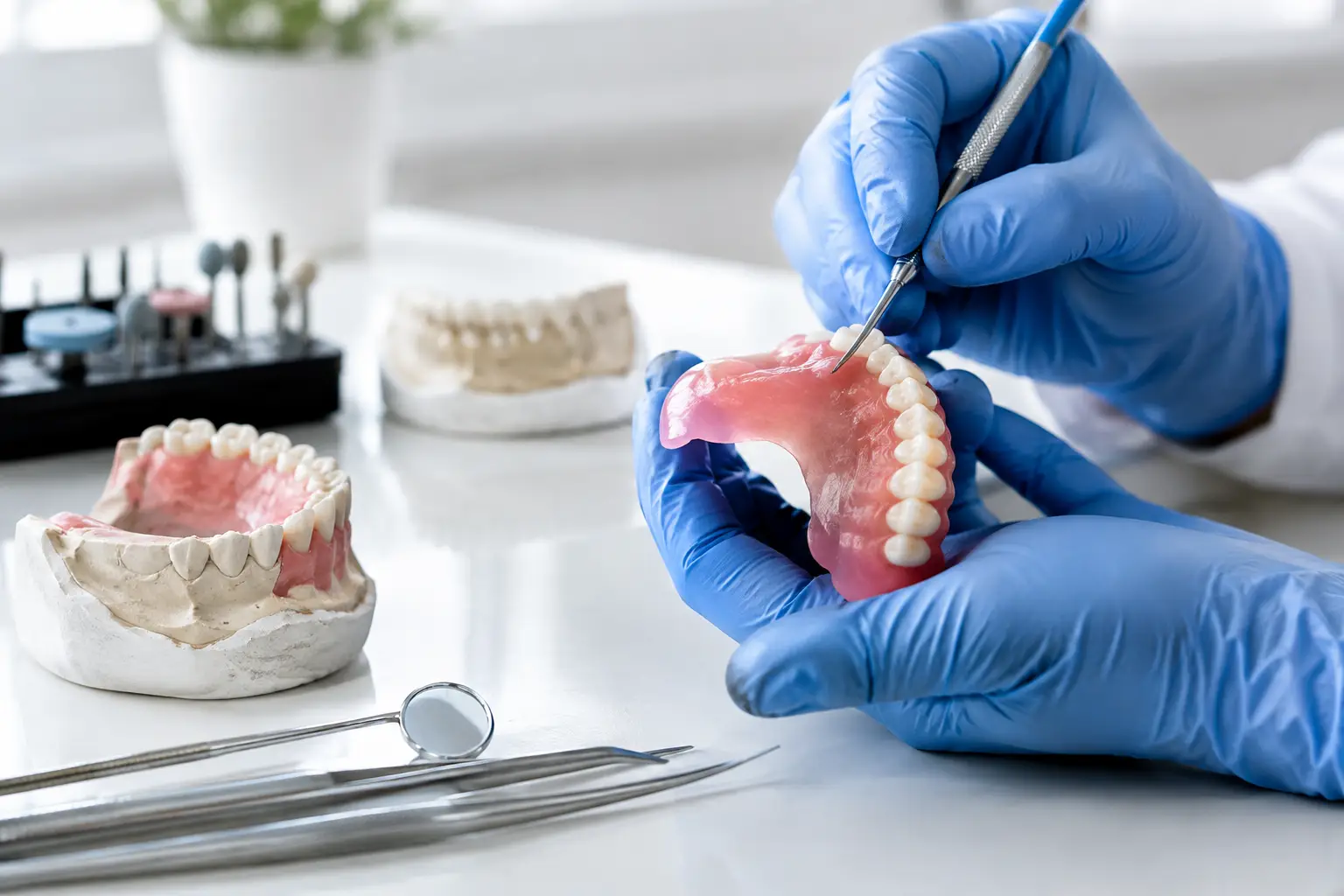
Denture Laboratory Services for Repairs That Matter
A cracked denture can change a normal day quickly. Eating becomes difficult, speech may feel different, and a denture that once fit comfortably can become hard to wear. Denture laboratory services provide a direct path for documenting the problem, evaluating the appliance, and determining the appropriate repair process.
For denture wearers and caregivers, the first priority is usually simple: explain what happened and get clear direction on what comes next. A specialized laboratory intake process helps collect the details needed to begin that conversation without requiring a long or complicated first step.
What Denture Laboratory Services Address
Removable dentures are made to handle regular daily use, but they are not indestructible. A fall onto a hard surface, pressure from an uneven bite, normal material wear, or changes in the mouth can affect how an appliance performs. Damage may be obvious, such as a clean break through the acrylic base. In other cases, the issue develops gradually, beginning with a small crack, a loose tooth, or a fit that no longer feels stable.
Denture laboratory services focus on the prosthetic appliance itself. The laboratory reviews the reported concern and supporting information, then coordinates the next repair or restoration step based on the condition described. This may involve a full denture, a partial denture, or another removable appliance with damaged components.
The condition of the denture matters. A repair that is appropriate for a small acrylic crack may not be appropriate for an appliance with multiple fractures, worn teeth, missing components, or a significant change in fit. Clear intake information gives the laboratory a better starting point for assessing the request.
Common Signs a Denture Needs Attention
Some denture problems are immediate. A denture breaks in half, a tooth comes out, or a metal component on a partial denture becomes damaged. These issues can make the appliance unusable right away.
Other concerns are less dramatic but still deserve attention. A denture may begin to shift while eating, rub against the gums, click during speech, or feel loose compared with how it fit before. A visible hairline crack should also be taken seriously. Continued use can place additional stress on the appliance and may make the damage worse.
Watch for changes such as:
Cracks, splits, chips, or broken sections in the denture base
A detached, loose, chipped, or worn denture tooth
A partial denture clasp or metal section that is bent, loose, or damaged
A denture that feels unstable, rocks, rubs, or causes new sore areas
A fit problem can have more than one cause. The denture may be worn or damaged, but changes in gum tissue and underlying bone can also affect how it sits. When discomfort, sores, swelling, or other oral health concerns are present, a dental professional may need to evaluate the mouth as well as the appliance.
Why Professional Repair Is Different From a Temporary Fix
When a denture breaks, it can be tempting to reach for household glue or an over-the-counter repair product. That decision can create more problems than it solves. Household adhesives are not intended for oral use, can leave residue on denture materials, and may interfere with a later professional repair.
A home repair may also change the way the denture fits together. Even a slight shift in alignment can affect chewing, speech, pressure on the gums, and the opposing teeth. A denture that appears to be held together may still be positioned incorrectly.
If possible, keep all broken pieces together and avoid attempting to sand, drill, heat, or reshape the appliance. Do not force a broken denture into place. Documenting the damage before making changes gives the laboratory the clearest view of the original problem.
Information That Helps Start a Repair Request
A repair request moves more efficiently when the issue is described clearly. The goal is not to use technical language. Practical details are more useful: when the problem began, what part of the denture is affected, whether the appliance still fits, and whether all broken pieces are available.
Photos can be especially helpful when they show the full denture as well as close views of the damaged area. Take pictures in good light and from more than one angle. If a tooth has detached or a clasp has broken, include that piece in the photo when possible. A short written explanation can provide context that an image cannot, such as whether the denture was dropped or whether it had been feeling loose before the damage occurred.
For a caregiver helping a parent, spouse, or relative, it is useful to confirm the wearer’s contact information and describe how the problem affects daily use. For example, note whether the person can still wear the denture, has stopped using it, or is having trouble eating certain foods. This gives the service team a more complete picture from the start.
Denture Repair Laboratory uses a direct contact workflow designed for this purpose. Customers can provide their contact details, explain the concern, and upload relevant files so the repair request can be reviewed and the appropriate next step can be arranged.
What to Expect From the Intake Process
The first step is an assessment of the information provided. A complete request should identify the denture type, the visible damage or fit concern, and any supporting photos or files. The laboratory may need additional details before determining how to proceed, particularly when a repair involves several damaged areas or when the denture’s fit has changed.
Not every denture issue is the same. A clean break with matching pieces available presents a different situation than a denture that has been repeatedly repaired, no longer fits the gums, or has several missing teeth. The right path depends on the appliance’s condition and whether the concern is limited to the denture or involves oral health changes that require clinical evaluation.
Clear communication matters throughout this process. If you are shipping or delivering a denture for service, follow the instructions provided for handling and packaging it. Keep any detached pieces secure, and include the requested identifying information so the appliance can be matched to the correct request.
Protecting Your Denture After Repair
Repair restores a damaged appliance, but careful daily handling can help reduce avoidable damage later. Clean dentures over a folded towel or a sink partially filled with water so a slip is less likely to cause a hard impact. Store them in a protective container when they are not being worn, especially when traveling or when pets and children are nearby.
Avoid using hot water, which can affect denture materials. Use cleaning products intended for dentures rather than abrasive household cleaners. If a denture begins to feel loose, develops a crack, or starts causing pressure in one area, address the change early instead of waiting for a complete break.
A denture is part of how you eat, speak, and move through the day. When it is damaged or no longer functioning as it should, a clear repair request with accurate details can help move the situation toward the right next step.
Comments