
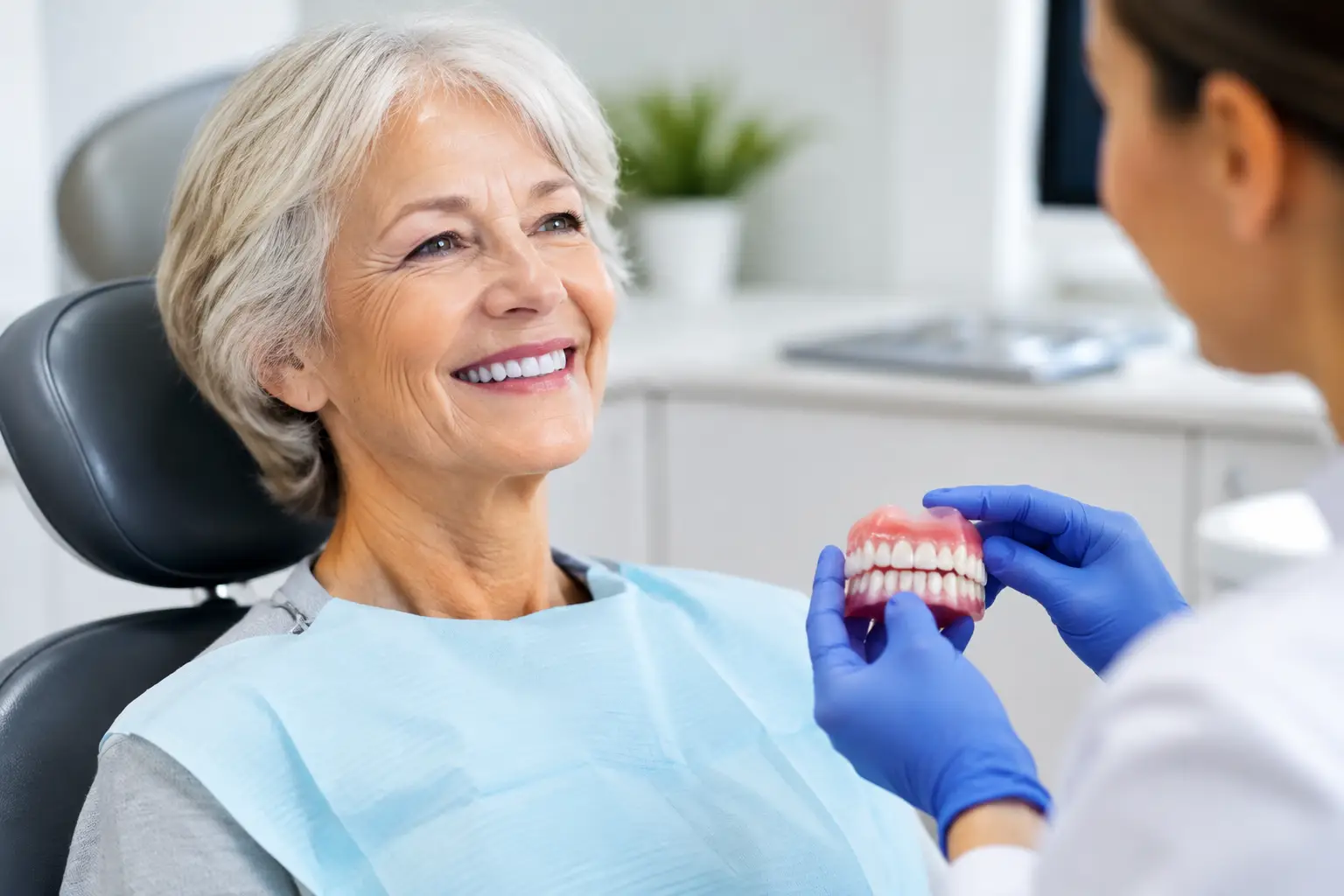
When Denture Restoration Is the Right Step
A cracked base, a loose denture tooth, or a denture that suddenly rocks when you bite can disrupt the entire day. Denture restoration is the process of repairing damage or restoring function in a removable full or partial denture so it can be evaluated for safe, reliable use again. The right next step depends on what failed, how the denture fits, and whether the problem is limited to the appliance or involves changes in your mouth.
For many wearers, the key is not waiting until a small problem becomes a complete break. A denture that feels different may still be usable, but it should not be ignored. Wear, pressure, and repeated movement can turn a minor issue into a more difficult repair.
What Denture Restoration Can Address
Denture restoration may involve a repair to the acrylic base, replacement or resetting of a denture tooth, correction of a crack, or attention to worn areas that affect function. Partial dentures can also develop issues around clasps, framework components, or the connection between a tooth and the base material.
Not every denture problem looks dramatic. A hairline crack may appear as a faint line along the pink acrylic. A tooth may feel loose before it comes out. The denture may no longer sit evenly, causing rubbing in one area or clicking when you speak. These changes matter because removable dentures are designed to distribute biting forces across the appliance and supporting tissues. When the fit or structure changes, those forces can concentrate in the wrong place.
A professional assessment helps determine whether the appliance can be restored or whether a different clinical step is needed. If your gums, bone support, or remaining natural teeth have changed, restoring the denture alone may not solve the underlying fit issue.
Signs You Should Request an Assessment
A denture should be evaluated when it breaks, cracks, loses a tooth, becomes painful, or stops functioning normally. You may also need help if it feels loose, shifts while chewing, creates repeated sore spots, or changes the way you pronounce words.
Pay attention to gradual changes as well as sudden damage. Dentures can wear down over time, particularly on the chewing surfaces of denture teeth. That wear may make it harder to process food efficiently and can affect how your upper and lower teeth come together. A denture that once fit well can also become unstable as the shape of the gums and jaw changes.
Do not try to force a denture into position if it no longer seats properly. Continuing to wear an appliance that is cracked, distorted, or painful can cause further damage and may irritate oral tissues. If there is swelling, bleeding, a persistent sore area, severe pain, or a possible infection, contact a dental professional promptly.
Why Home Repairs Create More Problems
A broken denture creates understandable urgency. Still, household glue, hardware adhesive, and do-it-yourself repair kits are poor substitutes for a professional denture repair process. Many adhesives are not intended for oral use. They can leave residue on the denture, alter the fit of broken pieces, and make later restoration more difficult.
Even when a home repair seems to hold, the pieces may not be aligned correctly. A slight change in position can create pressure points, change your bite, or place extra stress on another section of the denture. The appliance may then fracture again in a different area.
If a denture tooth comes out, keep the tooth and any broken pieces in a clean container. Do not discard small fragments. They can help identify the original position and support a more accurate evaluation. Avoid wearing the appliance if sharp edges are present or if it is unstable.
Denture Restoration Starts With Clear Information
The first step is explaining what happened and how the denture is behaving. A useful repair request describes whether the damage occurred suddenly or developed over time, which part is affected, and whether the denture still fits comfortably. It also helps to mention any recent changes in chewing, speech, or sore spots.
Photos can be useful during initial review when they clearly show the damaged area, the full denture, and any separated tooth or piece. Take photos in good light on a clean, plain surface. If possible, include views from the inside and outside of the appliance. Do not place a broken denture under pressure to make the pieces meet for a photo.
Denture Repair Laboratory uses a direct contact process that allows customers to provide their details, describe the problem, and upload supporting files. This gives the laboratory the information needed to review the request and coordinate the appropriate next step.
Details That Help With Review
Include the type of denture you wear - full or partial - and identify whether the upper or lower appliance is affected. State when the issue began, whether the denture has been repaired before, and whether all pieces are available. If the denture has metal components, describe any bent, loose, or damaged areas without attempting to bend them back yourself.
It is also useful to explain whether the denture is currently wearable. For example, a clean break through the base, a missing front tooth, and a loose back tooth present different restoration considerations. Clear details reduce back-and-forth communication and help the repair request move forward efficiently.
Repair, Relining, or a New Denture?
The practical question is not always whether a denture can be repaired. It is whether a repair will restore appropriate function for the condition of the appliance and the current shape of your mouth.
A repair may be appropriate when the denture was fitting well before a specific event, such as a drop or accidental break. Replacing a detached tooth or addressing a limited crack can also be possible when the rest of the denture remains stable.
A reline may be considered when the denture is structurally intact but no longer fits the gums as it should. This process addresses the tissue-facing surface of the denture. It does not correct every type of damage, and it may not be suitable when the appliance is extensively worn, distorted, or repeatedly breaking.
In other cases, a new denture may be the more appropriate option. This can be true when the base has multiple repairs, the denture teeth are severely worn, the appliance no longer fits due to significant oral changes, or the framework of a partial denture is compromised. A professional evaluation is necessary because fit, bite, remaining teeth, and tissue health all affect that decision.
Protecting a Restored Denture
Once the denture is restored, daily handling makes a difference. Clean it with products appropriate for dentures and avoid abrasive toothpaste or stiff brushes that can scratch acrylic surfaces. A scratched surface can collect more debris and become harder to keep clean.
Handle the denture over a folded towel or a basin partly filled with water. This simple habit reduces the chance of damage if it slips from your hands. Keep it away from hot water, since heat can distort denture materials. When the appliance is not being worn, follow the storage instructions provided for your denture type.
Regular dental checkups remain useful for denture wearers. Your mouth can change even when the denture appears intact, and early attention to looseness, rubbing, or wear can prevent a more disruptive failure later.
A denture problem does not need to become a long interruption to eating, speaking, and daily routines. Preserve the broken pieces, avoid temporary household fixes, and provide a clear description of the issue so the restoration process can begin with the right information.
Comments