
Why Do Dentures Become Loose? Common Causes
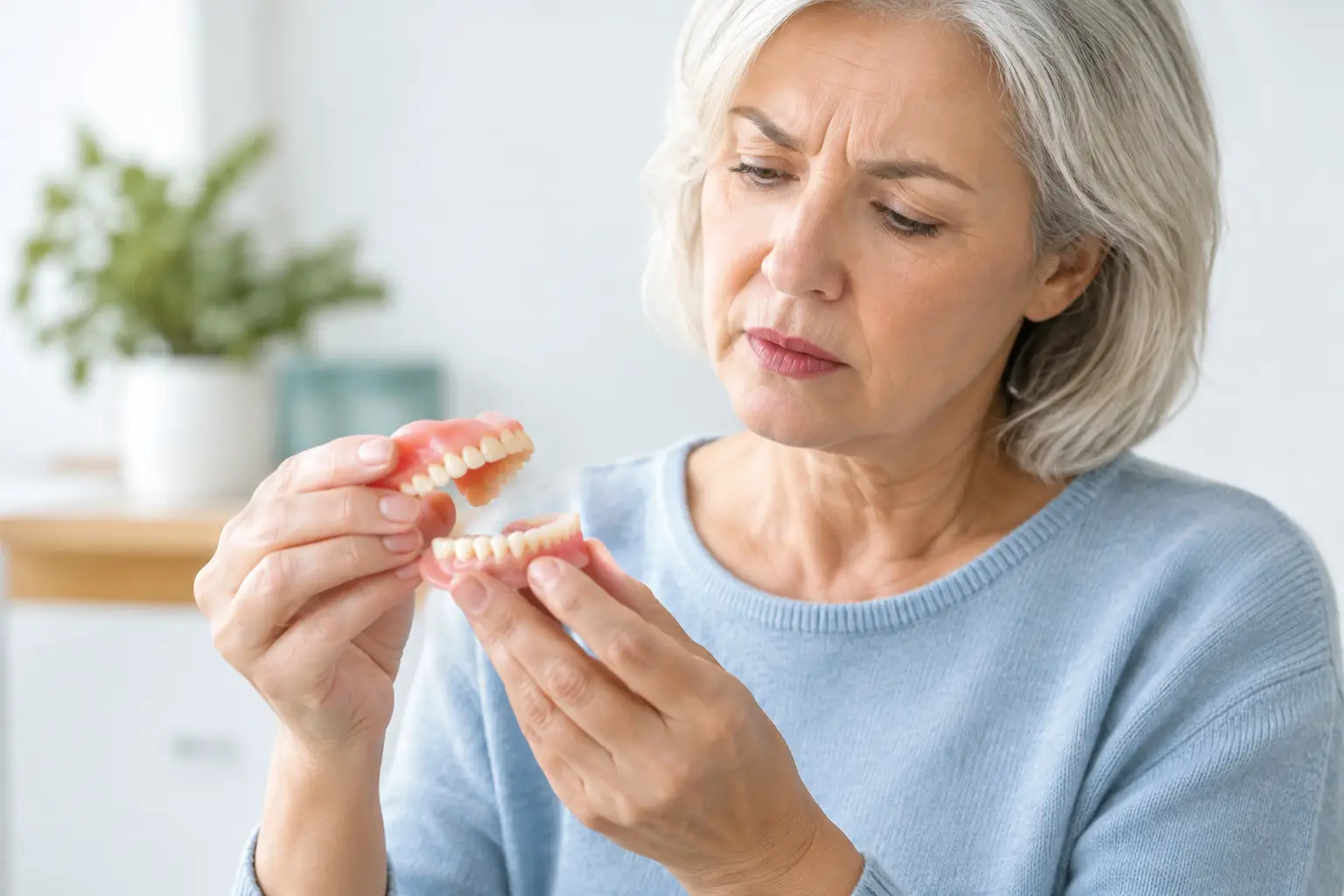
A denture that once felt secure can begin to shift while eating, speaking, laughing, or simply opening your mouth. If you are asking, why do dentures become loose, the answer is usually not one single problem. Changes in your mouth, normal wear on the appliance, damage, and an incorrect fit can all contribute.
A loose denture is more than an inconvenience. Movement can create sore spots, make chewing difficult, affect speech, and lead to further cracking or breakage. The right next step depends on what has changed and how suddenly the looseness began.
Why Do Dentures Become Loose Over Time?
The most common reason is gradual change in the gums and jawbone. Natural teeth stimulate the bone in the jaw when you chew. After teeth are removed, that stimulation is reduced, and the bone beneath the gums slowly changes shape and volume. This process is often called bone resorption.
A denture is made to fit the shape of your mouth at a particular time. As the ridge of gum and bone changes, small spaces can develop between the denture base and your gums. The denture may start to rock, lift, slide, or lose suction. This can happen with full dentures as well as partial dentures.
The timing varies. Some people notice changes within the first year after extractions, while others have a good fit for longer. Weight loss, aging, health changes, and the original condition of the jaw can all affect how quickly the fit changes.
Upper and lower dentures can feel loose for different reasons
Upper full dentures often rely on a close seal against the palate and gums. When that seal is affected by changes in the mouth, warping, a crack, or a poor fit, the upper denture may drop or loosen during speech and eating.
Lower dentures do not have a palate to help hold them in place. They sit on a smaller, moving ridge and must work around the tongue, cheeks, and floor of the mouth. Even a properly made lower denture can have more movement than an upper denture. As the lower ridge changes, that movement can become more noticeable.
Worn Denture Teeth Can Change the Fit
Denture teeth wear down through everyday chewing. This is gradual, so it can be easy to miss until the bite no longer feels right. When the chewing surfaces are worn, your jaws may close differently than they did when the denture was new.
That altered bite can cause the denture to shift under pressure. You may notice that one side lifts when you chew on the other, food gets under the denture more easily, or your jaw feels tired after meals. Worn teeth can also place uneven force on the acrylic base, increasing the chance of a fracture.
A bite that has changed should not be corrected by filing or bending the denture at home. Small adjustments can change how the appliance contacts your gums and teeth, and they can create a larger fit problem.
Cracks, Warping, and Missing Parts Can Cause Movement
Sometimes looseness is a sign that the denture itself has been damaged. A hairline crack in the acrylic may allow the base to flex instead of sitting firmly against the gums. A denture can also warp after being dropped, exposed to heat, or left to dry out.
Partial dentures have additional parts that can affect retention. A loose or bent clasp may no longer grip the supporting teeth correctly. A missing tooth, damaged acrylic section, or weakened metal component can change how the partial rests in the mouth.
Do not assume a crack is only cosmetic. Continued use of a cracked denture can turn a repairable issue into a complete break. If your denture suddenly feels loose after a drop, crack, repair attempt, or unusual bite pressure, stop trying to force it into place and have it assessed.
Changes in Your Mouth May Be the Cause
A denture can fit differently even when the appliance looks intact. Gum irritation, swelling, dry mouth, mouth sores, and oral infections may affect comfort and stability. Certain medications can reduce saliva, and saliva helps create a natural seal for many denture wearers.
If you have a partial denture, changes to the natural teeth that support it also matter. A loose tooth, new cavity, broken filling, or gum disease can change the way the partial fits. A partial denture should not be used to stabilize a tooth that is already mobile or painful.
Persistent soreness, bleeding gums, swelling, white patches, or pain are reasons to contact a dental professional promptly. The denture may need attention, but the tissues underneath also need to be evaluated.
When a Reline May Be Needed
When a denture base is in generally good condition but no longer matches the contours of your gums, a reline may be considered. A reline adds material to the tissue side of the denture so it better follows the current shape of your mouth.
This is different from simply adding adhesive. Adhesive may provide short-term help for a minor fit change, but it does not correct a denture that rocks, causes pain, or has become significantly loose. Using more adhesive than directed can make cleaning harder and may delay needed care.
Whether a reline is appropriate depends on the appliance and your oral condition. A denture with extensive wear, repeated fractures, poor bite alignment, or major structural damage may need a different solution. An assessment helps determine whether the concern is the fit, the bite, the appliance itself, or a combination of issues.
What Not to Do With a Loose Denture
A loose denture can be frustrating, especially when it affects meals or daily conversations. Avoid quick fixes that can make the problem worse. Do not use household glue, craft adhesive, super glue, tape, or putty on a denture. These materials are not made for oral use, can damage the denture material, and can interfere with a professional repair.
Do not try to heat, reshape, grind, or bend the denture yourself. Hot water can warp acrylic. Filing the base or adjusting clasps without the proper equipment can create pressure points and change the fit permanently.
If the denture is cracked or broken, keep all pieces together in a clean container. Avoid wearing it if it has sharp edges, if it causes pain, or if it will not seat normally. For a partial denture, do not force a clasp over a tooth.
Steps You Can Take While Arranging Help
Until the denture can be evaluated, gentle handling can prevent further damage. Clean it daily using a denture-safe cleanser and a soft brush. Rinse it after meals to remove food particles that may worsen irritation. Store it safely when it is not being worn, following the care guidance provided for your appliance.
Choose softer foods if chewing is uncomfortable, and take smaller bites. Avoid sticky foods, hard nuts, ice, and foods that require heavy biting pressure. If you use denture adhesive, use only the amount directed on the product and treat it as a temporary measure rather than a repair.
It can also help to note when the looseness occurs. Does the denture move only while chewing? Did the problem begin after it was dropped? Is there a crack, a missing tooth, a loose clasp, or pain in a specific area? Clear details and photos, when available, can help a repair provider understand the issue during the intake process.
When to Request Professional Denture Help
Request help when the denture suddenly becomes loose, has visible damage, causes sores, changes your bite, or no longer lets you eat and speak comfortably. A repair laboratory can evaluate damage to the appliance and coordinate the appropriate repair process. If your symptoms suggest a change in your gums, jaw, or supporting teeth, dental evaluation may also be necessary before the denture can be properly adjusted or restored.
Denture Repair Laboratory uses a direct request process so you can describe the problem and provide supporting files for review. Include the type of denture, when the looseness started, whether it is cracked or broken, and any symptoms you are experiencing.
A loose denture rarely improves by being ignored. Addressing the cause early can protect the appliance, reduce irritation, and help you return to more comfortable eating, speaking, and daily use.
Comments