
How to Repair Denture Metal Framework Safely
Updated: Oct 2
A broken clasp, a cracked metal bar, or a partial denture that suddenly will not seat properly can interrupt meals, speech, and your daily routine. To repair denture metal framework damage safely, the appliance needs to be assessed as a complete unit - not just at the visible break. The metal structure, acrylic base, teeth, clasps, and fit against your remaining teeth all affect whether a repair is appropriate.
Do not force a damaged partial denture back into place. Pressure on a bent clasp or cracked framework can damage the appliance further, irritate the gums, or place stress on a supporting tooth. Set it aside, keep all loose pieces, and begin a repair request with clear details about what happened.
What a denture metal framework does
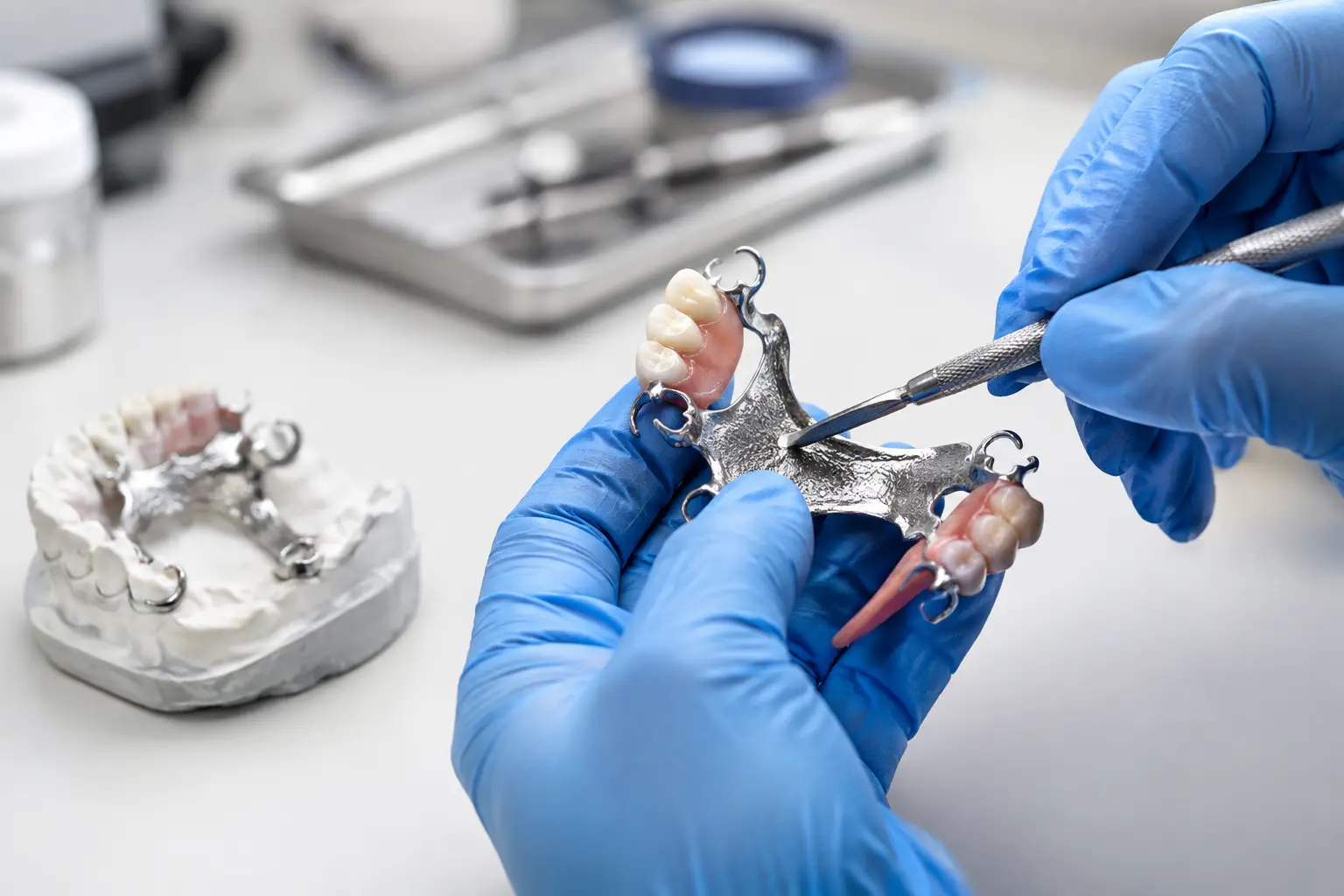
A metal framework is the supporting structure commonly used in removable partial dentures. It may include a major connector that rests along the roof of the mouth or behind the lower teeth, smaller rests that sit on teeth, and clasps that help hold the denture in place. Acrylic material and replacement teeth are attached to this structure.
Because the framework is designed around your mouth and remaining teeth, even a small change in its shape can affect comfort and retention. A clasp that looks only slightly bent may no longer engage the tooth correctly. A fracture near an acrylic-to-metal connection may also mean the denture has been flexing under forces it was not meant to handle.
Framework problems are not always obvious. If the denture rocks, feels loose, pinches one area, has a new sharp edge, or no longer fits after dental treatment, stop wearing it until it can be reviewed. A repair may be possible, but the cause of the problem matters as much as the damaged area.
Can you repair a denture metal framework?
Sometimes. The right approach depends on the location and type of damage, the condition of the surrounding acrylic, and whether the denture still relates properly to the remaining teeth and gums. A laboratory assessment can help determine whether the framework can be restored, whether related components need attention, or whether the appliance requires a different solution.
Metal clasps can sometimes be adjusted or repaired when the issue is limited and the rest of the appliance remains sound. Cracks or complete breaks in the main metal connector are more complicated. Repairing a break without addressing why the framework failed can lead to another failure or a denture that no longer fits correctly.
Damage also may occur alongside missing teeth from the denture, fractured acrylic, worn areas, or a loose tooth attachment. These issues should be described together. A partial denture is a connected appliance, so treating only one visible symptom can miss the actual repair need.
Signs the framework needs prompt attention
A visible crack or separated metal component is an obvious reason to stop using the denture. Other signs can be less clear. Pay attention if a clasp has opened, the denture feels different when biting, food collects in a new area, or the appliance comes loose during normal talking or chewing.
Pain, gum sores, pressure marks, or movement in a supporting natural tooth also require attention. A laboratory can evaluate the appliance itself, while a dentist may need to examine your mouth and supporting teeth when fit, tissue health, or tooth condition is involved. This is especially relevant if the denture changed fit after an extraction, tooth loss, or other dental work.
Do not attempt a home repair
Household glues, hardware adhesives, soldering tools, and pliers are not appropriate for a denture metal framework. Adhesives can leave residue that interferes with repair work and may not be suitable for oral use. Heat can distort acrylic, damage denture teeth, or alter the framework. Bending a clasp at home can cause it to fracture or make it fit too tightly.
Avoid wearing a cracked or bent partial denture just to get through the day. A broken edge can injure soft tissue, and an ill-fitting clasp can place harmful force on a natural tooth. Store the denture in a clean container where it cannot be stepped on, dropped, or thrown away accidentally. If the appliance has separate pieces, keep them together.
Do not wrap the denture in a napkin. Damaged appliances are often lost this way, particularly during meals or while traveling.
Information that helps evaluate the repair
A clear repair request reduces delays and gives the laboratory a better starting point. Explain when the damage occurred, whether the denture was dropped or damaged while eating, and whether it still fits. Include any changes you noticed before it failed, such as looseness, clicking, a tight clasp, or cracking in the acrylic.
Photos can be useful when they are clear and well lit. Take images of both sides of the denture, the broken or bent area, and any loose parts placed next to the appliance. Do not try to hold pieces together with glue for the photo. If you have dental records, prior denture information, or instructions from your dental office, include those details when they are available.
For caregivers, it helps to note whether the wearer has stopped eating certain foods, has discomfort, or has had recent dental treatment. These details can indicate that the fit changed before the framework was damaged.
The repair process depends on the damage
After reviewing the request, the repair path may involve restoring a damaged component, correcting a clasp issue, repairing acrylic around the metal structure, or coordinating further information before work begins. Not every framework can or should be repaired in the same way.
A repair is more likely to be considered when the damage is limited and the appliance continues to fit as intended. More extensive fractures, repeated failures, major distortion, or changes in the mouth may require a broader evaluation. This is not a setback in the process. It is how the repair stays focused on function, fit, and safe use rather than a temporary-looking fix.
If the denture has been repaired before, mention that in your request. Previous repairs, especially near the same site, can help explain where the appliance is under stress. Also mention if a natural tooth supporting a clasp has been lost, crowned, filled, or feels loose. The framework was built around a specific arrangement of teeth, and changes to that arrangement can change the appliance's fit.
Care after a framework repair
Once the denture is returned, follow any handling and cleaning instructions provided for the work completed. Use a denture brush and products intended for dentures rather than abrasive cleaners. Rinse the appliance after meals and handle it over a folded towel or a sink with water in it to reduce the chance of damage if it falls.
Check the fit during normal use, but do not continue wearing the denture if it creates sharp pressure, persistent soreness, or a new rocking motion. A repair should support comfortable, stable function. If something feels wrong, report the issue promptly instead of adjusting the metal yourself.
Metal partial dentures are durable, but they are not indestructible. Careful handling, routine cleaning, and attention to changes in fit can help prevent a small problem from becoming a break. When damage does occur, save every piece, provide clear information and photos, and request an evaluation before putting the appliance back into service.
Broken denture? Bring it to our denture repair lab in Stoneham, MA (walk-ins welcome) or call (781) 526-8688. Many repairs are finished the same day.
Related reading: Denture Repair Cost and What You May Pay
Where we help: patients walk in or mail their dentures to us from Boston, Everett, Lowell, Framingham, Worcester, Plymouth, the North Shore, Middlesex & MetroWest, South of Boston, Cape Cod, southern New Hampshire and Providence, RI.
Comments